



1. Applicable Building Codes and Regulations
Structural design projects are prepared in accordance with a country’s official construction codes.
In Turkey, these include:
-
Turkish Earthquake Code (TBDY 2018)
-
TS 500 (Design and Construction Rules for Reinforced Concrete Structures)
-
TS EN 1990 – Eurocode (in special cases)
2. Soil Investigation and Geotechnical Reports
Information such as soil classification, bearing capacity, and liquefaction risk directly affects the structural project.
Based on this data, the foundation system is chosen (e.g., raft foundation, strip foundation, pile foundation).
3. Seismic Zone and Local Seismic Hazard Parameters
Depending on the location of the structure, the following parameters are used:
-
Seismic Design Category (DTS)
-
Local Soil Class (e.g., ZC, ZD)
-
Design Spectrum Parameters (SDS, SD1 values)
4. Type and Intended Use of the Structure
The function of the structure (residential, school, hospital, industrial, etc.) and number of stories determine the configuration of the load-bearing system.
For example, a hospital requires stiffer systems and higher safety factors due to its critical function.
5. Material Properties
Key material characteristics that affect the project include:
-
Concrete class (e.g., C25/30, C30/37)
-
Steel type (e.g., S420, S500)
-
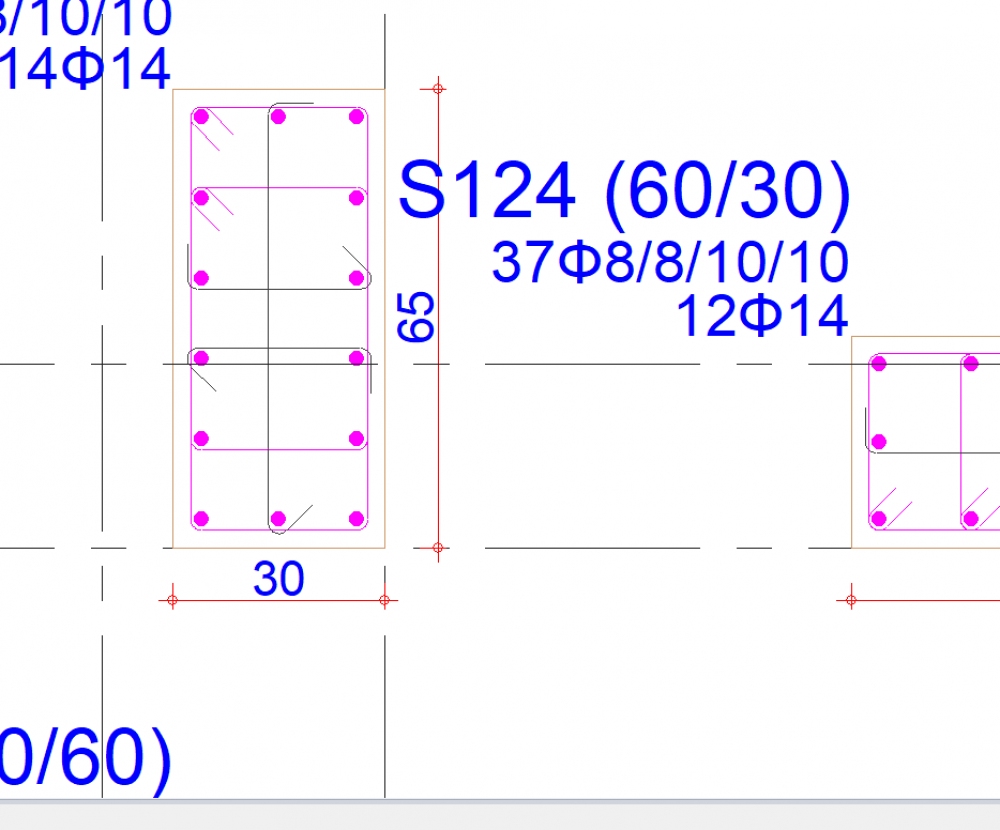
Reinforcement bar diameters and mechanical properties
6. Building Geometry and Architectural Design
The shape of the architectural plan, span lengths, floor heights, and similar features directly influence the engineering calculations.
Structural designs must always be coordinated with the architectural project.
7. Loads
Design loads include:
-
Dead loads (self-weight of structural elements)
-
Live loads (furniture, people, vehicles, etc.)
-
Wind loads
-
Snow loads
-
Seismic loads
Each of these loads is defined according to relevant standards, and structural elements are sized accordingly.
LATEST NEWS
-
 April 30, 2026
What Is a Bored Pile?
-
 March 28, 2026
What is a Raft (Radye) Foundation?
-
 December 21, 2025
Why Is Concrete Quality Critically Important?